
Drop Kerbs In Helston
Drop Kerbs Experts
Drop kerb installation across Cornwall. Qualified highway contractors. From application to completion.
12 Years' Experience
Full Plant Fleet
100% Word of Mouth
RW Groundworks
Drop Kerb Installation in Cornwall
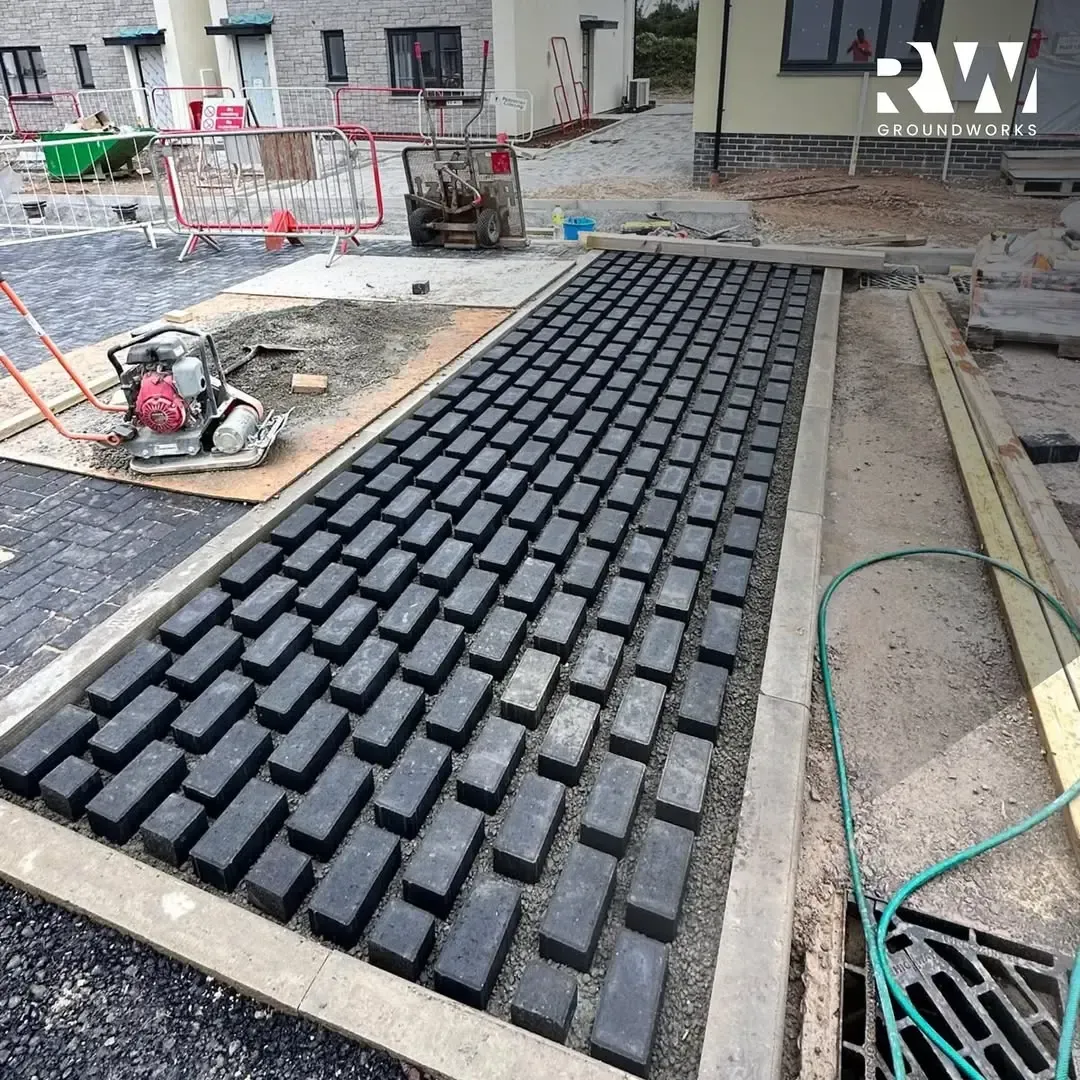
Need a dropped kerb to create a vehicle crossing into your property? You'll want to know the drop kerb cost, the process, and who can actually do the work. RW Groundworks handles drop kerb installation across Cornwall — from the council application through to the finished crossing.
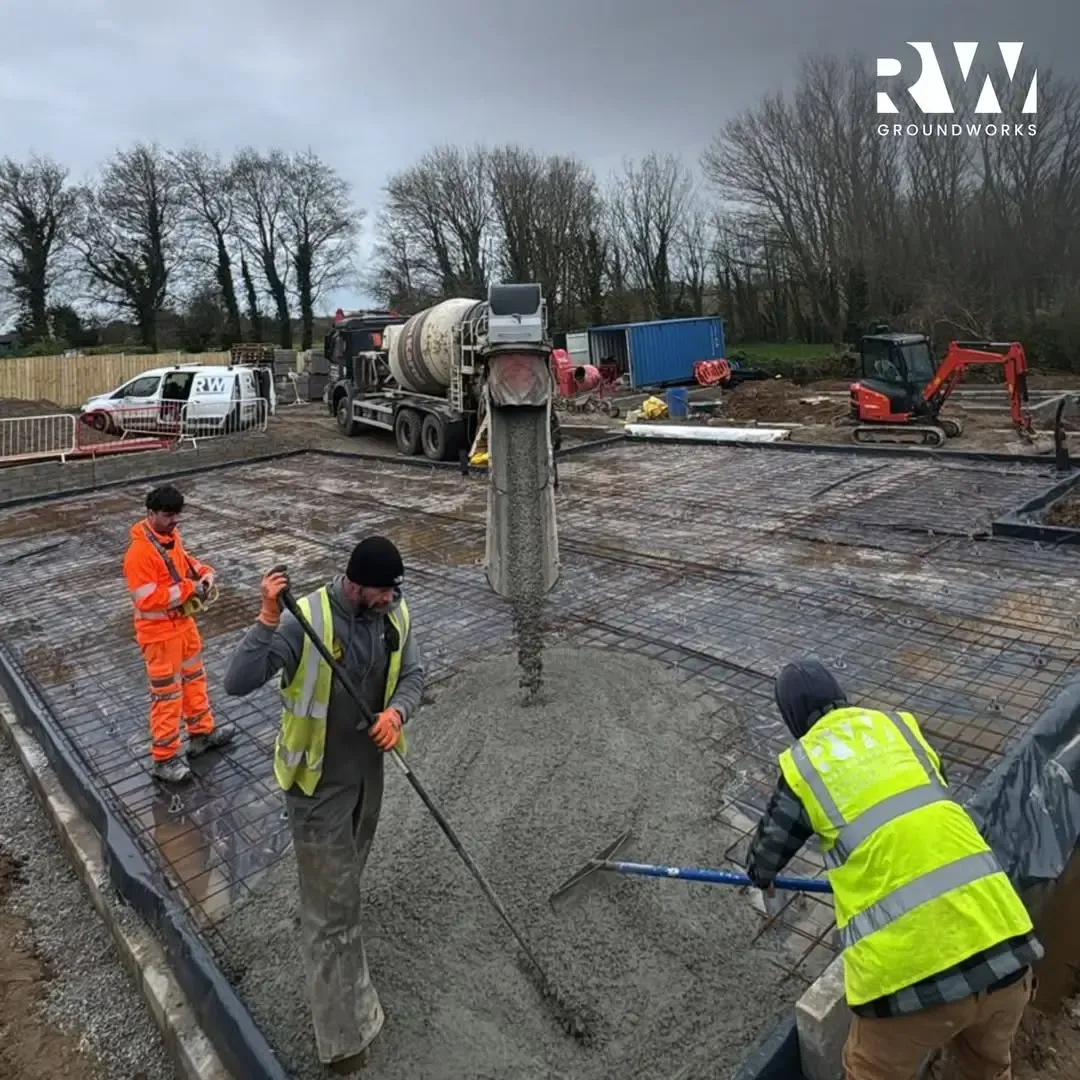
Reuben Williams has been in construction for over 12 years. Our team includes qualified highway operatives, which means we're set up to work on the public highway safely and legally. We have our own plant and equipment, so there's no waiting around for hire kit — we turn up ready to work.
We cover drop kerb Cornwall wide, from Helston across to Truro, Falmouth, Penzance, Redruth and the surrounding areas.
RW Groundworks
What Is a Drop Kerb?
A drop kerb (also called a dropped kerb or vehicle crossover) is a lowered section of kerb that allows vehicles to drive across the pavement between the road and your property. Without one, driving over a standard kerb is illegal and can damage your vehicle, the pavement, and underground services.
If you want to park on your front drive or create a new vehicle entrance to your property, you need a properly installed drop kerb with council approval.
RW Groundworks
Drop Kerb Cost — What to Expect
Drop kerb cost varies depending on the width of the crossing, the pavement construction, and whether there are any services (gas, water, electric, telecoms) running under the pavement that need protection or diversion.
As a general guide:
Single vehicle crossing (standard width, straightforward pavement): typically £1,200 to £2,500
Double width crossing: £2,000 to £4,000
Crossings with service diversions or complex construction: can be higher depending on what's involved
These are guide figures. We provide accurate quote
s based on a site visit where we assess the pavement construction, check for services, and measure the crossing width. Your quote includes everything — excavation, new kerbs, pavement reinstatement, and making good.
The council application fee is separate and paid directly to Cornwall Council (typically £100 to £200).
RW Groundworks
The Drop Kerb Process
Step 1 — Council Application
You need permission from Cornwall Council Highways before any work on the public highway. The application covers the location, width and construction of the crossing. We can advise on the application and help you get it right first time — incorrect applications get rejected and cost you time.
Step 2 — Site Survey
Once approved, we survey the site to check pavement depth, existing kerb type, drainage, and underground services. This determines the construction method and final cost.
Step 3 — Installation
We excavate the pavement, remove the existing kerbs, install new drop kerbs to the council's specification, and reinstate the pavement surface. For a standard single crossing, this is usually a one to two day job.
Step 4 — Reinstatement
The pavement is reinstated to match the existing surface — tarmac, block paving, or slabs depending on what's there. We leave the crossing tidy and ready to use.
CONSTRUCTION & GROUNDWORKS
Services Areas We Cover
RW Groundworks operates across Cornwall from our base in Helston. Eight core service areas, all within easy reach of the A30 corridor.
TESTIMONIALS
What Our Drop Kerbs Customers Say About Us
The Process
3 Step Process For Your Drop Kerbs Needs

Contact Us
Start by completing the 'Get a Free Quote' form on our website to share your Drop Kerbs needs with us.

Schedule Your Estimate
Next, we'll arrange a property visit at a time that works for you to provide an in-person estimate for your Drop Kerbs needs.

Get The Job Done
After you approve our estimate, we'll schedule a date to complete the job. Our team will work hard to exceed your expectations!
F.A.Q
Drop Kerbs Frequently Asked
Questions
Here are answers to common questions about our Drop Kerbs services.
Q: How much does a drop kerb cost in Cornwall?
A: A standard single-width drop kerb typically costs between £1,200 and £2,500, depending on the width, pavement construction, and whether services need protecting. Double-width crossings cost more. We provide free quotes after a site visit so you know the exact cost before committing.
Q: Do I need planning permission for a drop kerb?
A: You don't need planning permission, but you do need a vehicle crossover licence from Cornwall Council Highways. This is a separate process — you apply to the council, they assess the location for safety and suitability, and grant approval if it meets their criteria. We can guide you through the application.
Q: How do I apply for a drop kerb in Cornwall?
A: You apply to Cornwall Council Highways for a vehicle crossover licence. The application asks for the property address, the proposed location and width of the crossing, and usually a sketch or plan. The council assesses visibility, road safety, and the impact on drainage and services. Processing typically takes four to eight weeks.
Q: How long does drop kerb installation take?
A: The physical installation usually takes one to two days for a standard crossing. The application and approval process with Cornwall Council takes four to eight weeks before we can start. We recommend getting the application in early so there's no delay once it's approved.
Q: Can I install a drop kerb myself?
A: No. Work on the public highway must be carried out by a contractor who is approved or acceptable to the highway authority. Doing it yourself is illegal and can result in enforcement action, fines, and being required to reinstate the pavement at your own cost. You need an approved contractor with the right qualifications.
Q: What does "approved contractor" mean for drop kerbs?
A: Cornwall Council requires drop kerb work to be done by contractors who can demonstrate the right qualifications, insurance and experience for highway work. Our team holds highway operative qualifications and CSCS cards, and we carry public liability insurance covering highway work. We meet the council's requirements.
Q: What is a pavement crossover?
A: A pavement crossover is the full construction across the pavement from the road to your property boundary. It includes the dropped kerbs at the road edge, the reinforced pavement across the footway, and any transition kerbs. It's the complete vehicle crossing — "drop kerb" is the common name, but "crossover" is the technical term.
Q: Why might a drop kerb application be refused?
A: Common reasons for refusal include poor visibility at the proposed crossing point, being too close to a junction or pedestrian crossing, insufficient space within the property for parking, and locations where the crossing would affect highway drainage or services. If your application is refused, the council will give reasons, and it may be possible to amend and resubmit.
RW Groundworks and Civil Engineering Limited


Request A Free Drop Kerbs Quote
Get Free Quote


CONTACT INFORMATION
SERVICES
SERVICE AREAS
OPERATING HOURS
Office Hours:
Mon to Sun
9:00am - 5:00pm
Cleaning Hours:
24/7
Privacy Policy | Term & Condition | FAQ
Copyright © 2026 RW Groundworks. All rights reserved.